In Bangladesh, where the RMG industry continues to grow, Epyllion Group produces garments and embroidery products for a wide range of global brands, including Tommy Hilfiger, Polo Ralph Lauren and Puma.
For global brand production, consistency in logo quality and high-value embroidery expression are essential. Supporting Epyllion Group in meeting these demanding requirements are the stable quality provided by Japanese embroidery machines and a support system that keeps production running without interruption.
This time, we spoke with Mr. Dhanushka from Epyllion Group’s embellishment division about the company’s approach to quality, the background behind introducing Tajima embroidery machines, and what he hopes for in the future.

Meeting the Demands of Global Brands — Epyllion Group × Japanese Embroidery Quality
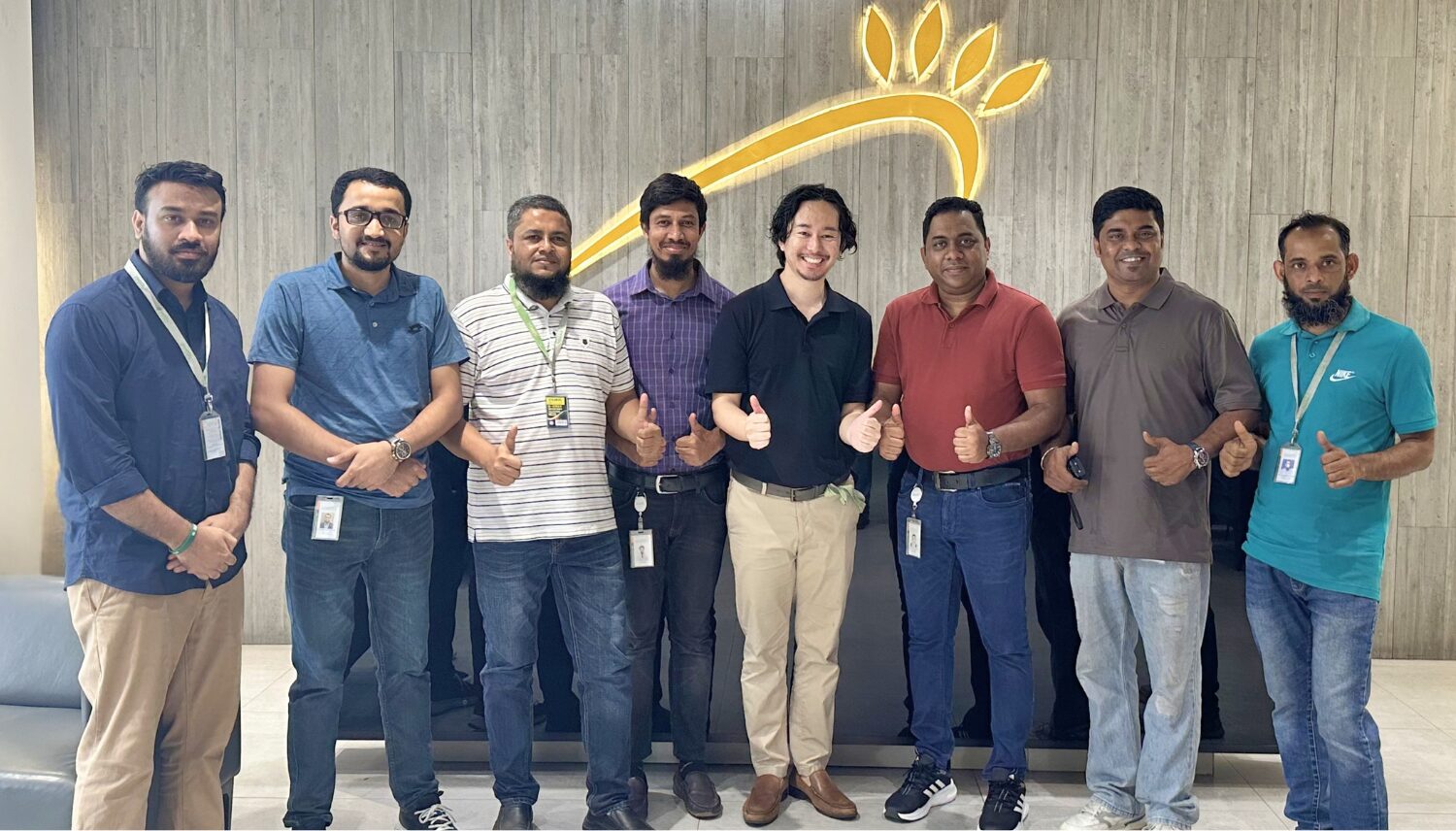
Epyllion Group Embellishment Senior Manager Gayan Dhanushka
Epyllion Group
A garment and embroidery manufacturer based in Bangladesh. The company primarily produces products for global brands and has a monthly production capacity of approximately 4 to 5 million garments. In addition to embroidery, Epyllion Group also handles value-added decorative processing and has established a production system capable of responding to diverse design requirements and decorative techniques.
Could you tell us about Epyllion Group and your production scale?
We produce products for a wide range of global brands, including Tommy Hilfiger, Polo Ralph Lauren, Puma, Calvin Klein, Champion, G-Star RAW, s.Oliver, M&S, Carhartt, and J.Crew. Our monthly production volume is approximately 4 to 5 million garments, and we operate 160 production lines.
There are many garment manufacturers in Bangladesh, but what we value most is the “Human Spirit.” Of course, machines and equipment are important, but more than that, we believe in valuing the people involved in the process.
By continuing to build trust based on this philosophy, we are now recognized as one of the top factories in Bangladesh.
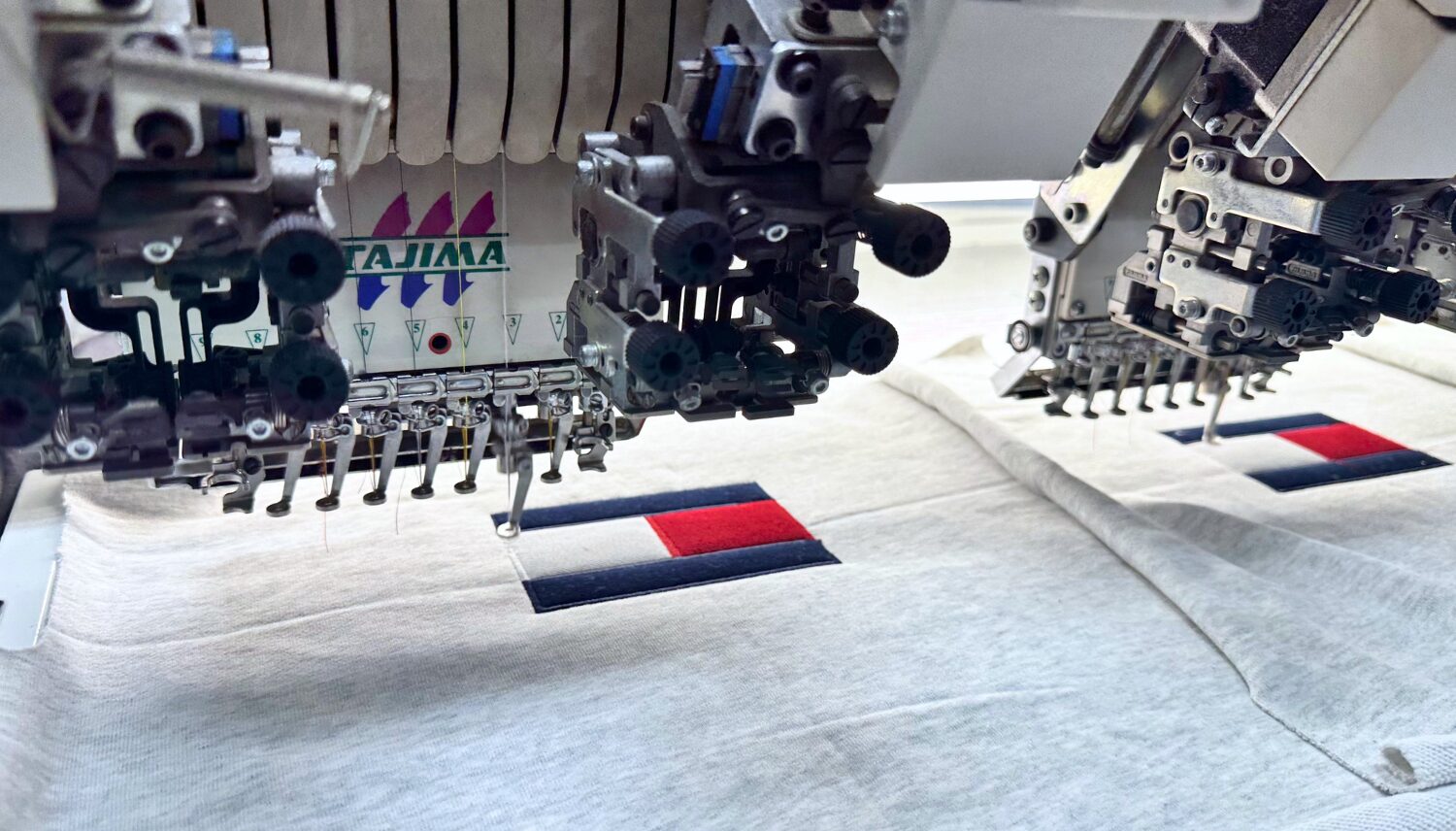
What are the key requirements for embroidery in products for global brands?
The most important requirement in embroidery for global brands is consistency in logo quality.
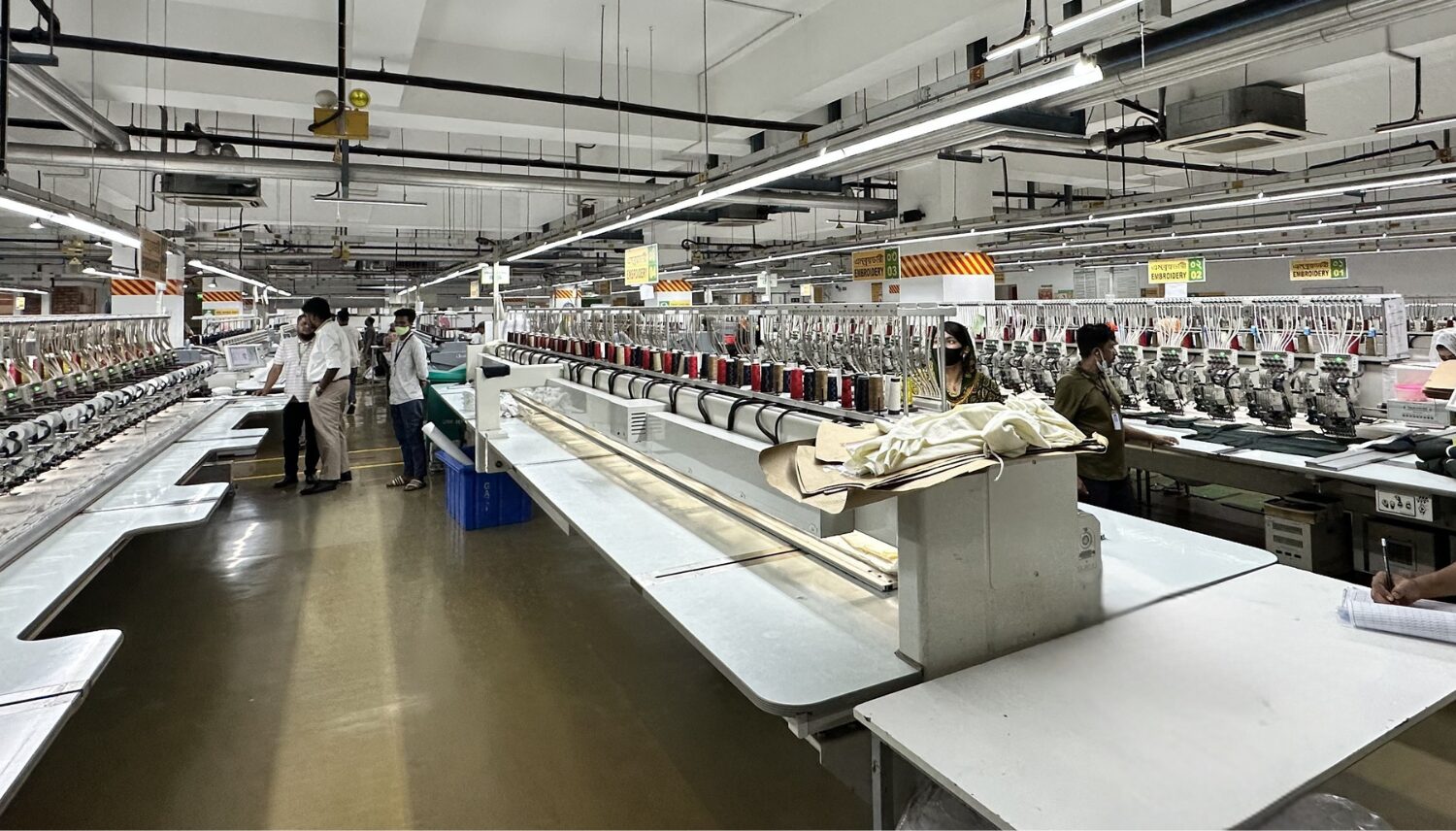
Especially for brands such as Tommy Hilfiger, Puma, and G-Star RAW, the ability to reproduce the same quality every time is extremely important. That is why we place strong emphasis on consistency and precision. Based on our internal QMS (Quality Management System), we maintain strict quality control from embroidery development through mass production. Before mass production begins, we carry out step-by-step checks — first one piece, then 10 pieces, then 100 pieces — followed by 100% inline quality checking and final audits.
In our embellishment division, the most important thing is attention to detail. If a logo is supposed to be square, it should be reproduced as a 100% accurate square. We believe this attention to detail is what leads to the level of quality global brands expect.
We never say no. We never say, ‘This is the best we can do.’
We always keep trying to improve and find a better solution.
Supporting this level of quality are Japanese embroidery machines. In terms of consistency and precision — both of which are heavily evaluated during brand audits — we have strong trust in Japanese technology.
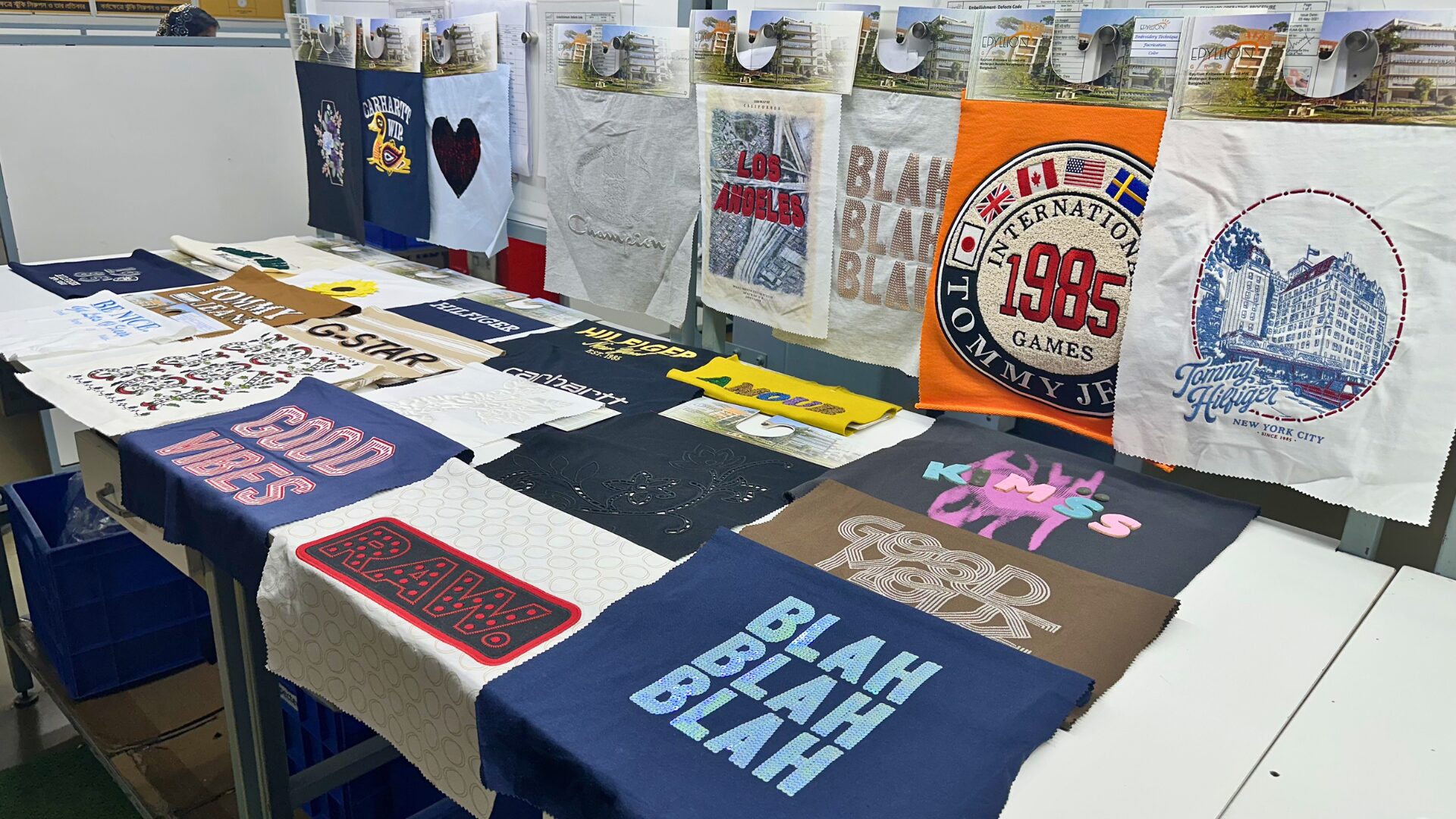
What led you to choose Tajima embroidery machines?
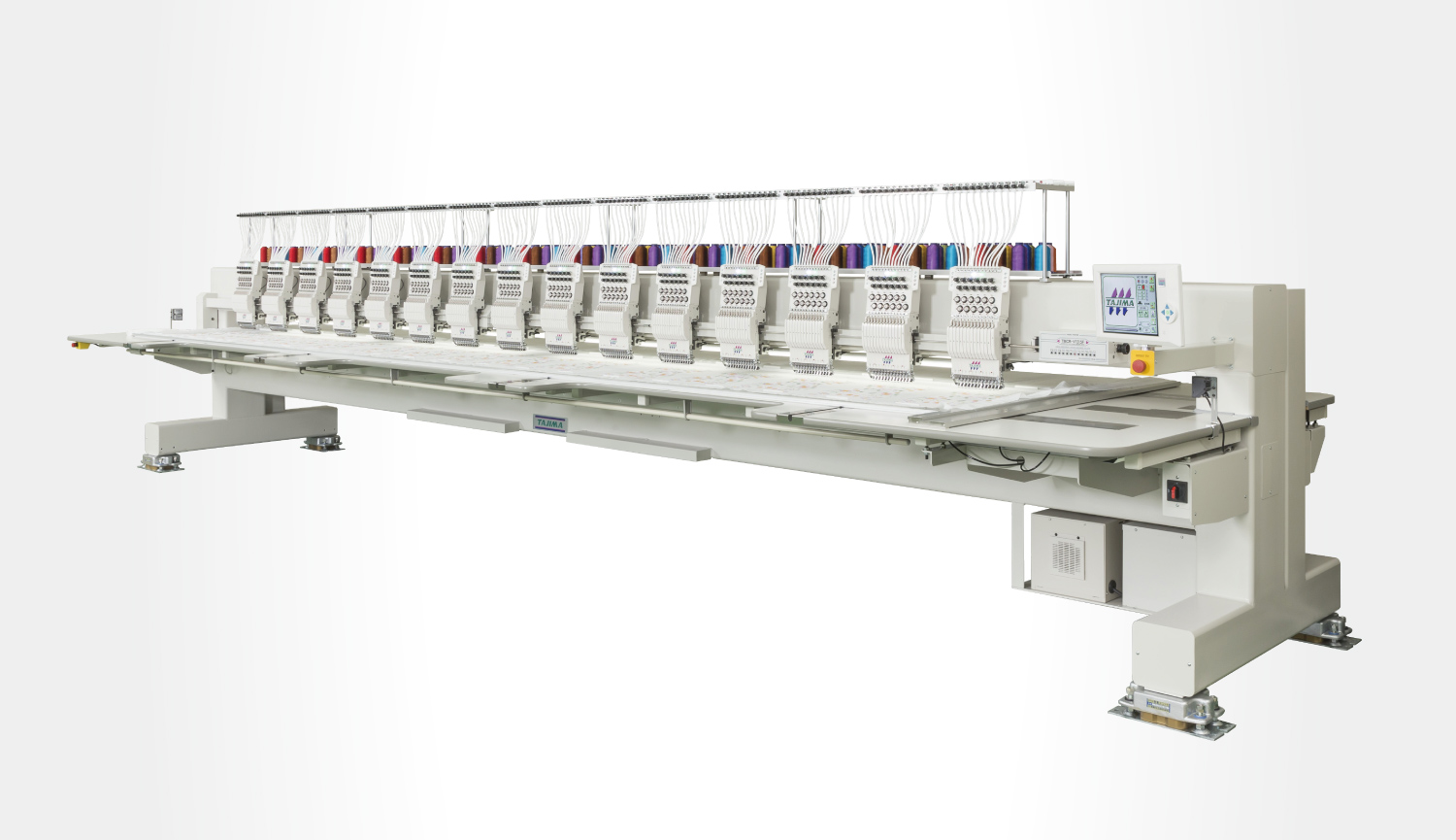
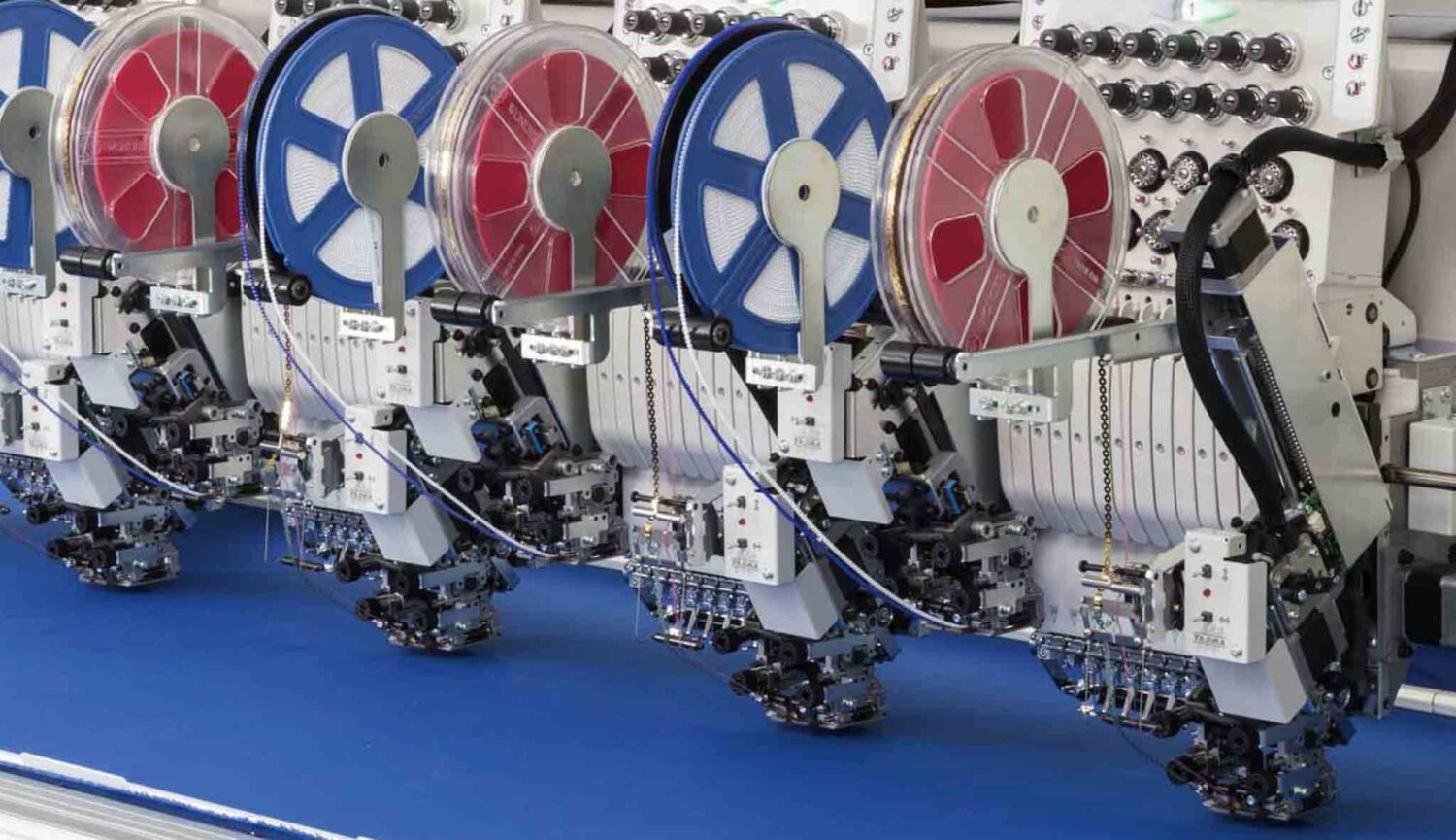
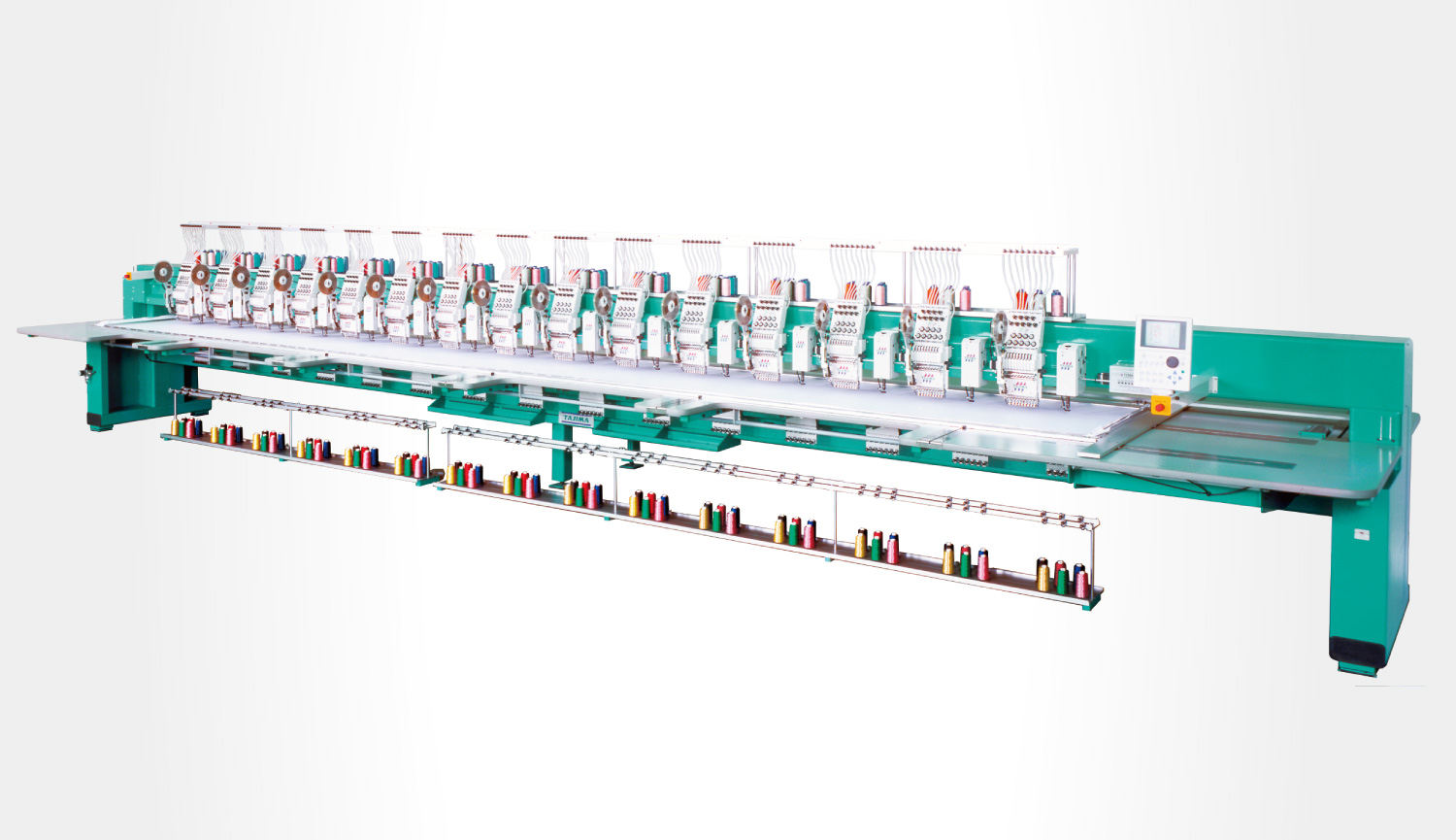
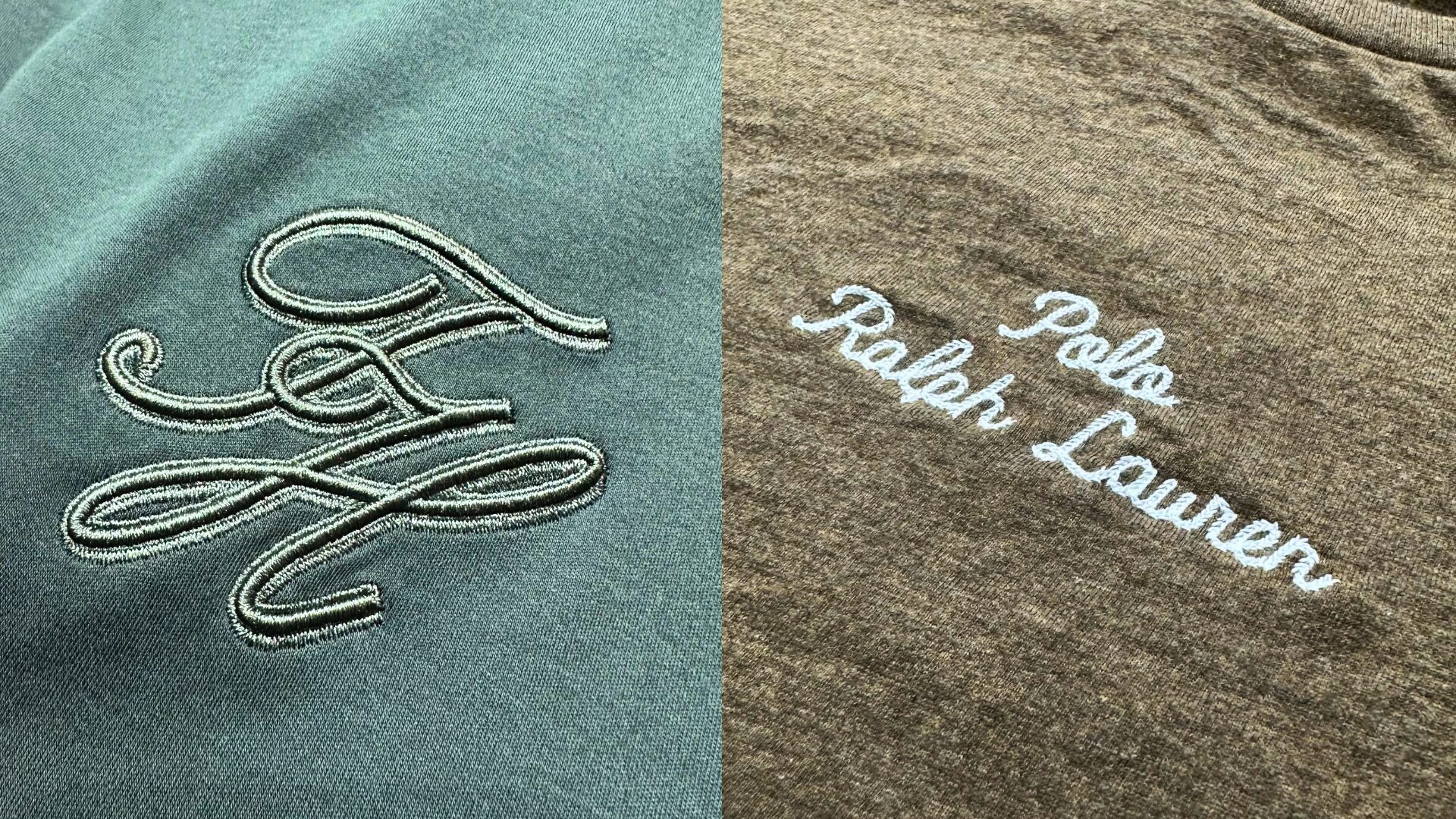
In recent years, there has been increasing demand for embroidery expressions with higher added value, such as texture and three-dimensional effects. We also feel that design requirements have become more complex than before. To respond to these demands, we introduced Tajima embroidery machines capable of handling techniques such as chenille embroidery and sequin embroidery.
In a production environment, it is extremely important not only to expand the range of expressions possible, but also to reproduce them consistently at mass-production quality. Even while handling more complex decorative techniques, we place great importance on maintaining reproducibility. That is one of the reasons we chose Tajima.
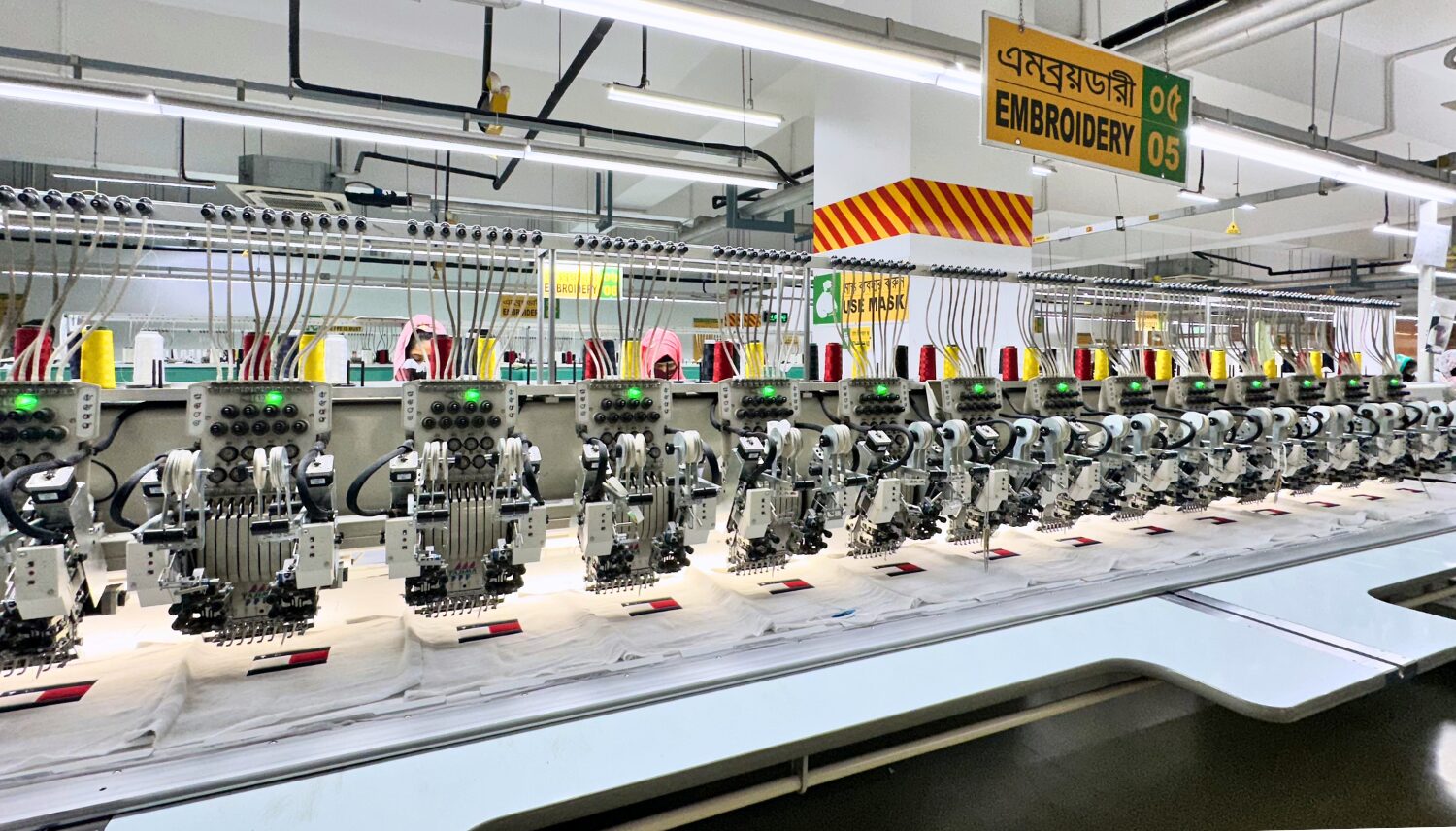
In addition, Tajima has a strong local support system. We are always grateful for the quick response from the local distributor, NAF GROUP, whenever issues arise. Our factory operates 24 hours a day, so we cannot afford to waste even a single second. Without a strong relationship with the local distributor, it would be difficult to maintain this level of production operation.
In addition to machine performance, after-sales support and quick response are also extremely important for us.
What do you expect from your partnership with Tajima going forward?
While maintaining quality, we are also required to improve production efficiency, and continuous improvement on the factory floor is essential to achieving that.
Going forward, I believe there will be an even greater need for an environment where we can monitor our embroidery operations in real time from anywhere — including which machines are running, which machines have stopped, and why they have stopped.
Another ideal I have is an embroidery machine without limitations on the number of colors. Digital printing allows unlimited color expression, but embroidery still has color limitations today. I hope embroidery will also evolve to enable more freedom of expression.
Going forward, I hope we can continue sharing the factory’s challenges and needs with the Tajima Group and work together on improvements and new decorative techniques.